4
min read •
May 21, 2026

For years, businesses have relied on a combination of camera systems and on-site security personnel to protect their properties. At a glance, this approach appears sufficient. Cameras are installed and guards are assigned, creating a sense of coverage. However, when an incident occurs, the limitations of this setup often become immediately apparent. This pattern is common across many properties. An incident occurs, footage is reviewed after the fact, reports are filed, and insurance claims follow. While each step is necessary, the opportunity for early intervention has already passed.
That gap between detection and response is where many security systems fall short.
Remote video monitoring changes the role of cameras entirely. Instead of acting as passive recording devices, cameras become part of an active security system monitored in real time.
Trained personnel monitor live video feeds continuously, maintaining consistent awareness across the property. When something appears out of the ordinary, it is reviewed in real time, verified, and handled according to established protocols, adding a clear layer of oversight and a stronger sense of stability on site.
Those actions can include:
This approach shifts surveillance from review to prevention. The focus is not on documenting what already happened, but on identifying and addressing issues as they develop.
Security personnel have long been a core part of business protection strategies. They provide a visible presence that helps deter certain types of activity, respond when situations arise within their awareness, and support employees and visitors with a consistent, professional presence.
Security personnel are a core part of any strategy, but there are practical limitations to consider. Coverage is one of the most common. A single guard can only monitor a defined area at any given time, and larger properties with multiple access points or limited visibility can create gaps that are difficult to fully cover.
Consistency can be difficult to maintain over extended periods. Fatigue, distraction, and normal human error are natural factors that can influence performance over time, particularly across longer shifts or repetitive environments.
Cost is another practical consideration. Maintaining consistent, full-site coverage often requires multiple personnel across multiple shifts, which can increase operational expenses as coverage needs expand.
While security personnel are an important part of any plan, relying on them alone can leave gaps in coverage.
Basic camera systems are widely used because they are relatively easy to install and provide broad visibility across a property. For many businesses, they serve as a foundational layer within a physical security strategy, helping monitor entrances, common areas, and high-traffic zones without requiring constant on-site personnel. They are also useful for reviewing incidents, supporting investigations, and maintaining documentation for insurance or liability purposes.
At the same time, these systems are limited in how they function within day-to-day operations. Traditional surveillance systems are designed to capture and store footage, not to actively respond. Most rely on motion alerts or notifications sent to business owners or property managers, which can be missed, delayed, or overlooked alongside other responsibilities, especially outside of normal business hours.
Even when an alert is seen, the response process is typically reactive. Someone must assess the situation, determine next steps, and decide how to respond. That may involve contacting personnel, dispatching security services, or escalating the issue. By the time those steps are taken, the opportunity to intervene early has often passed, leaving the system to document the outcome rather than influence it.
The real difference is not cameras versus guards, but passive security versus active protection.
Traditional setups often create a tradeoff between visibility and response, requiring businesses to rely on one more than the other. Remote video monitoring brings these elements together into a single, coordinated approach.
In practice, the most effective strategy is not choosing between tools, but integrating them based on the needs of the environment. Real-time monitoring provides continuous visibility across the property, while trained professionals actively assess and respond as situations develop. When paired with on-site personnel or patrol services, that response extends to the ground in a way that is immediate and coordinated.
This combination reduces the gap between detection and action. Rather than responding after an incident has already developed, it allows issues to be identified and addressed earlier, often before they escalate.
Businesses are increasingly adopting remote video monitoring for a practical reason. It delivers consistent, measurable results. Rather than accepting losses as part of normal operations, many are shifting toward a more proactive and strategic approach to security.
Remote monitoring supports earlier intervention as mentioned before, helping reduce theft and vandalism before incidents occur. It can limit the need for large on-site teams, improve response times through verified information, and provide clear, organized documentation when incidents do occur. At the same time, it maintains continuous coverage across the property without the gaps that can come with traditional setups.
For industries such as construction, commercial real estate, retail, and energy, these advantages directly support day-to-day operations and long-term cost control.
While almost any business can benefit from remote monitoring, some environments see especially strong results.
In each of these cases, the goal is the same. Stop incidents before they turn into losses.
Not all monitoring services operate the same way. In some cases, operations are limited to observation and escalation, where the process ends once a call is made to law enforcement. In those cases, monitoring is treated as a standalone function rather than part of a broader security response.
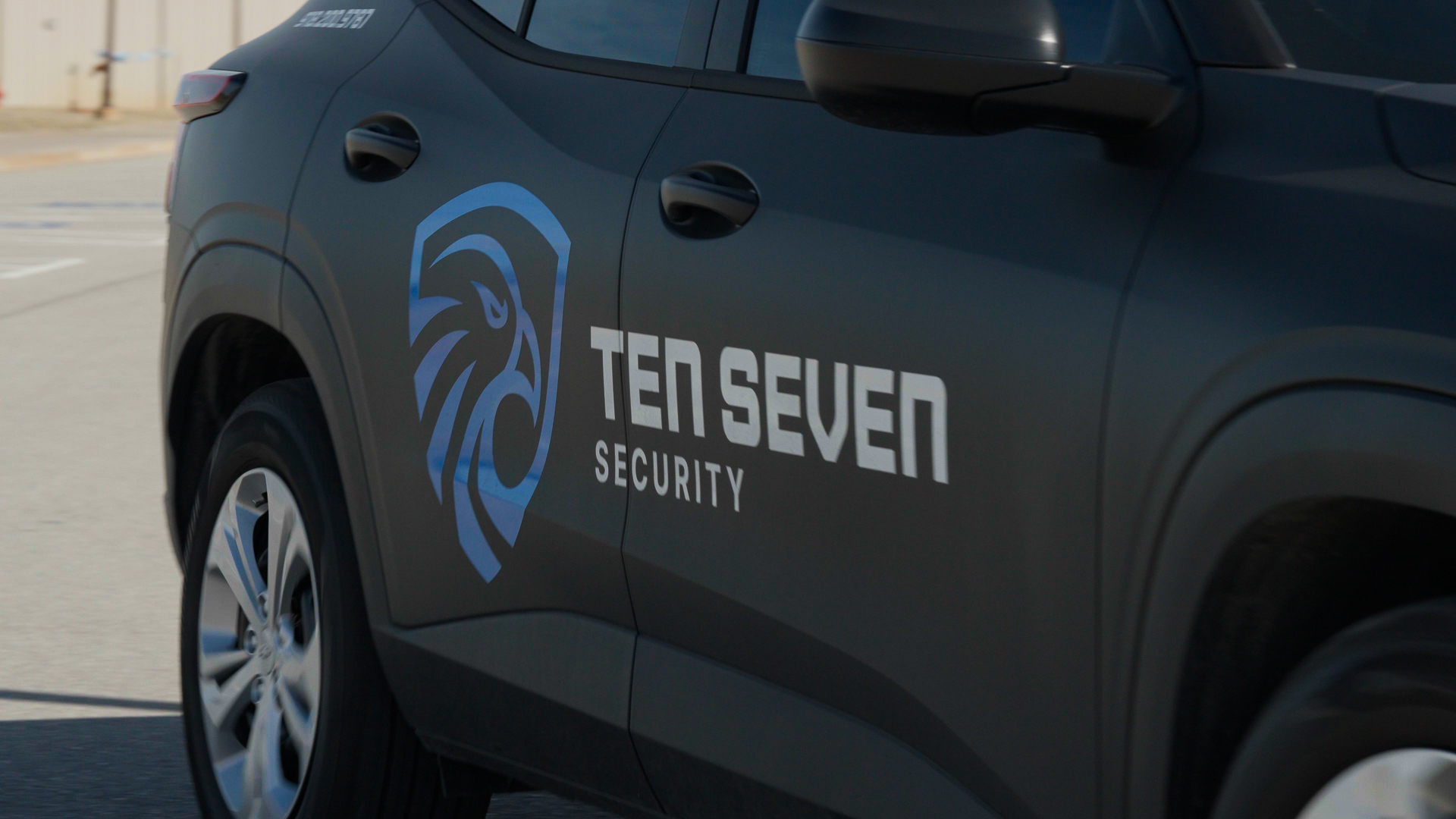
TenSeven Security takes a more integrated approach. Monitoring is one component, but response is what defines the outcome. When an incident occurs, trained operators assess and verify the situation in real time, dispatch patrol personnel directly when appropriate, and remain actively engaged by providing live updates and coordination.
Law enforcement, when involved, receives accurate and actionable information, and each step is documented for accountability and reporting.
The result is a system where surveillance and response are connected and working together, not separate. Built on a foundation of law enforcement experience, the focus is not only on identifying activity, but on addressing it effectively and thoroughly.
Security is evolving. Businesses are moving beyond systems that simply record events and toward approaches designed to prevent them. The priority is shifting to faster response, consistent coverage, and more dependable outcomes.
Remote video monitoring reflects that change by building on existing systems with real-time awareness and structured response. It allows potential issues to be identified and addressed as they develop, rather than after the fact.
If your current approach only provides visibility into what went wrong, it is only addressing part of the problem. Effective security requires both awareness and the ability to act.
For businesses across Oklahoma, this approach supports a more consistent and reliable way to protect property, assets, and day-to-day operations..
If you are taking a closer look at your current security coverage, it may be worth understanding where real-time monitoring could strengthen your overall approach and close existing gaps.
Request a quote and discover how you can fully optimize and enhance your property’s security.
For more information and future updates, TenSeven Security will be releasing additional announcement articles in the coming weeks.
Providing security solutions for those who demand safety without compromise.