What Is Roving Patrol in Security Services?
Why Does Roving Patrol Matter in Security Today?
Roving Patrol is a mobile security solution for residential homes and commercial properties. Trained officers actively patrol designated areas, rather than remaining at a single location, desk or doorway. They provide vigilant observation and rapid response wherever risks arise.
Many sites need more than entrance security; they also require coverage across parking areas, sidewalks, and back doors. They need someone who can spot problems early and respond right away. That is where Roving patrol security fits.
This article defines roving patrols, outlines officers’ responsibilities during patrols, and explains how mobility influences incident outcomes. It details patrol route operations, identifies site types that benefit most, and clarifies service expectations.
TenSeven Security conducts roving patrols and security operations in downtown Tulsa, maintaining a highly visible presence and using practical tools, such as a Polaris Ranger, to ensure rapid, professional coverage for businesses and the community.
What Is Roving Patrol Security, and How Does It Work?
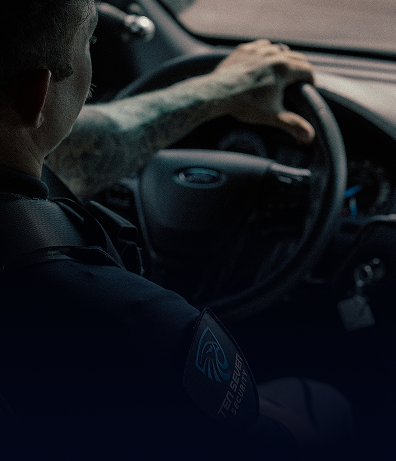
Roving patrol security is a service in which an officer patrols a property or district rather than staying posted at a fixed point. The goal is to be present in more places, more often. The officer moves on foot or by vehicle based on the site and the risks.
A roving patrol operates according to a plan tailored to the client’s needs. Some sites need checks at set times. Other sites need a less predictable pattern to reduce the risk of someone timing a break-in. A strong plan can include both.
Roving patrols are often used to support a broader security program. It can work alongside cameras, alarms, lighting, and access control. It can also work as a primary layer of protection when a site needs a clear deterrent and quick response.
The key difference is coverage. A stationary post watches one area very well. A mobile patrol effectively monitors many areas to spot issues, demonstrate presence, and respond quickly. For many properties, that balance is the right fit.
How Do Roving Patrol Security Routes Reduce Risk?
Roving patrols and security reduce risk by changing what a threat sees and what it can predict. When an officer moves through an area, it becomes harder for someone to choose a quiet corner and act without being seen. A moving patrol also creates more chances to spot a small issue before it becomes a big one.
Patrol routes can be scheduled, randomized, or mixed. Scheduled routes support routine checks, like doors, gates, and lighting. Randomized routes add uncertainty. Uncertainty matters because many crimes depend on timing and low visibility.
Route planning also supports faster response. If an alarm triggers or a call comes in, a patrol unit is already out in the area. That can reduce the time between a report and an on-scene response. A faster response can reduce damage, reduce loss, and improve safety for people nearby.
Effective routing is more than just driving. It involves selecting key locations, optimizing timing, and establishing verifiable, repeatable checks. When executed well, routing provides the client with clear coverage and gives the patrol team a defined mission.
What Do Roving Patrol Security Officers Do on a Typical Shift?
Roving patrol security officers focus on prevention first. They look for unlocked doors, open gates, signs of forced entry, and suspicious behavior. They also look for safety issues that could pose a risk, such as dark areas, broken lights, or blocked paths.
Officers also respond to real-time needs. That can include checking a triggered alarm, investigating an unusual sound, or supporting a business that reports a concern. The officer’s job is to assess the situation, take appropriate action, and escalate to law enforcement or emergency services when needed.
Documentation is also a core part of patrol work. A professional patrol team records what it sees and what it does. That record helps the client understand patterns, such as repeat trespassing or repeat damage in a specific area. It also supports better planning over time.
Roving patrol officers may also support people directly. In a downtown setting, that can include a safety escort to a vehicle or support for staff closing up at night. That human support is a major reason many clients choose roving patrol and security.
Where Is Roving Patrol Security the Best Fit?
Roving patrol security is a strong fit for areas where risk is spread out. A large property with multiple entrances can be difficult to protect with a single fixed post. A mobile patrol can cover more ground and check more points in less time.
It is also a good fit for sites with changing activity. Downtown districts can shift from busy to quiet within minutes. Parking areas can fill, clear, then fill again. A roving patrol can adapt to those changes and focus on areas where problems are most likely to occur.
Many clients use roving patrol as a cost-effective option. Instead of staffing multiple posts, a client can use a single mobile patrol to cover key areas. This can be effective when the goal is visibility, checks, and response, rather than full-time access control at a single door.
Roving patrol security can also support seasonal needs and special conditions. A property under renovation, a new tenant moving in, or a short-term increase in incidents may call for added patrol coverage. Mobile patrol makes it easier to scale coverage up or down.
How Does TenSeven Security Deliver Roving Patrol Security in Downtown Tulsa?
TenSeven Security provides Roving patrol security with a service model built for clarity and follow-through. The focus is proactive coverage, fast response, and strong communication with clients. In a downtown environment, the goal is to protect businesses while also supporting people moving through public spaces.
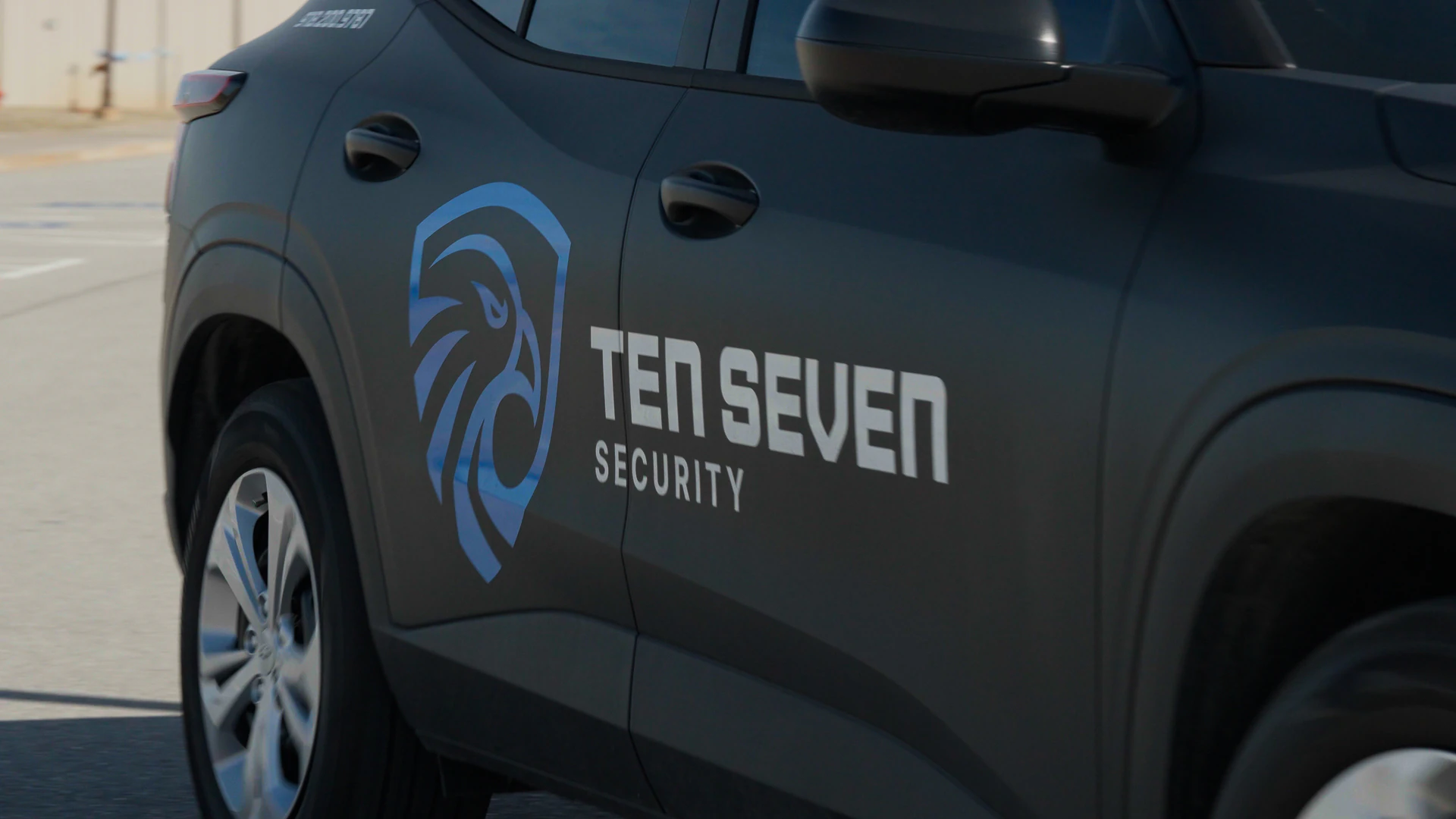
TenSeven’s patrol program includes a visible vehicle presence, including a Polaris Ranger. The Polaris Ranger enables mobility in areas where a standard vehicle may be impractical. It also increases visibility, which can help deter unwanted activity.
TenSeven’s leadership brings law enforcement experience to the design of patrol plans and response standards. That experience supports disciplined decision-making and calm communication during stressful moments. It also supports strong coordination when a situation requires law enforcement or emergency response.
TenSeven also emphasizes the client experience. Roving patrol security should not feel confusing or hard to manage. Clients should know what coverage looks like, how reports are handled, and how to reach the patrol team when something comes up.
What Should Clients Look For in a Roving Patrol Security Provider?
A strong Roving patrol security provider should be clear about the plan. That includes when patrols occur, what areas are checked, and what actions an officer will take during common events. Clarity helps prevent gaps and helps set the right expectations.
Clients should also look for reliable reporting. Reports should be easy to read and consistent. They should reflect what was checked, what was found, and what actions were taken. Over time, reports should help a client see trends and improve site safety.
Response standards also matter. A mobile patrol is often selected for fast response. That only works when the provider has the right coverage and processes for calls, alarms, and urgent requests. A client should understand how the provider prioritizes response and how escalation works.
Professionalism in the field matters as much as the plan on paper. Officers should be trained, alert, and calm. They should treat the public with respect while also staying firm about site rules. That balance is critical in a downtown setting.
How Does a Roving Patrol Security Program Get Set Up?
Roving patrols and security should start with a thorough site inspection. That includes learning the property layout, the risk points, and the daily schedule. It also includes learning what matters most to the client, such as closing time checks, parking area coverage, or after-hours response.
A patrol plan should then define the patrol area and the patrol actions. It should identify what is checked, how often checks happen, and what triggers a response. It should also define who is notified when an incident occurs and how notifications occur.
The setup stage should also confirm how reporting will work. Some clients want a quick summary after each shift. Some want a weekly view that highlights patterns. The right format depends on the site and the client’s internal process.
After launch, the program should be reviewed and tuned. Roving patrol works best when it adapts. If an issue starts happening in a new area, the patrol plan should shift. If the client’s hours change, the timing should change. A good provider treats the program as a living plan.
Roving patrol security are practical ways to reduce risk, increase visibility, and support faster response times. It helps protect wide areas without tying coverage to one fixed point. It also helps people feel safer because help is closer and easier to spot.
For downtown Tulsa, mobility matters. A patrol that can move quickly can check more places, deter more problems, and respond more quickly. A visible patrol presence can also reassure businesses and community members during low-light hours.
TenSeven Security provides roving patrol service designed for real conditions and real needs. The company focuses on clear communication, consistent follow-through, and professional support for both properties and people.
To learn more about TenSeven Security’s Roving patrol security services, contact TenSeven today to request a quote and discuss a patrol plan tailored to the site, schedule, and level of risk.